
Protecting Commercial Buildings During Heatwaves
Heatwaves are becoming more frequent across the UK and we have had our fair share of them this summer. The warm weather is bringing new challenges for commercial property owners, landlords and occupiers. While much attention is often given to the impact of cold weather on buildings, prolonged periods of high temperatures can be just as damaging if properties are not managed effectively.
From increased wear on building systems to the wellbeing of occupants, hot weather can affect the performance of commercial properties in several ways. Taking a proactive approach can help reduce disruption, avoid unnecessary repair costs and ensure buildings continue to operate safely throughout the summer months.
Our blog guides you through some of steps.
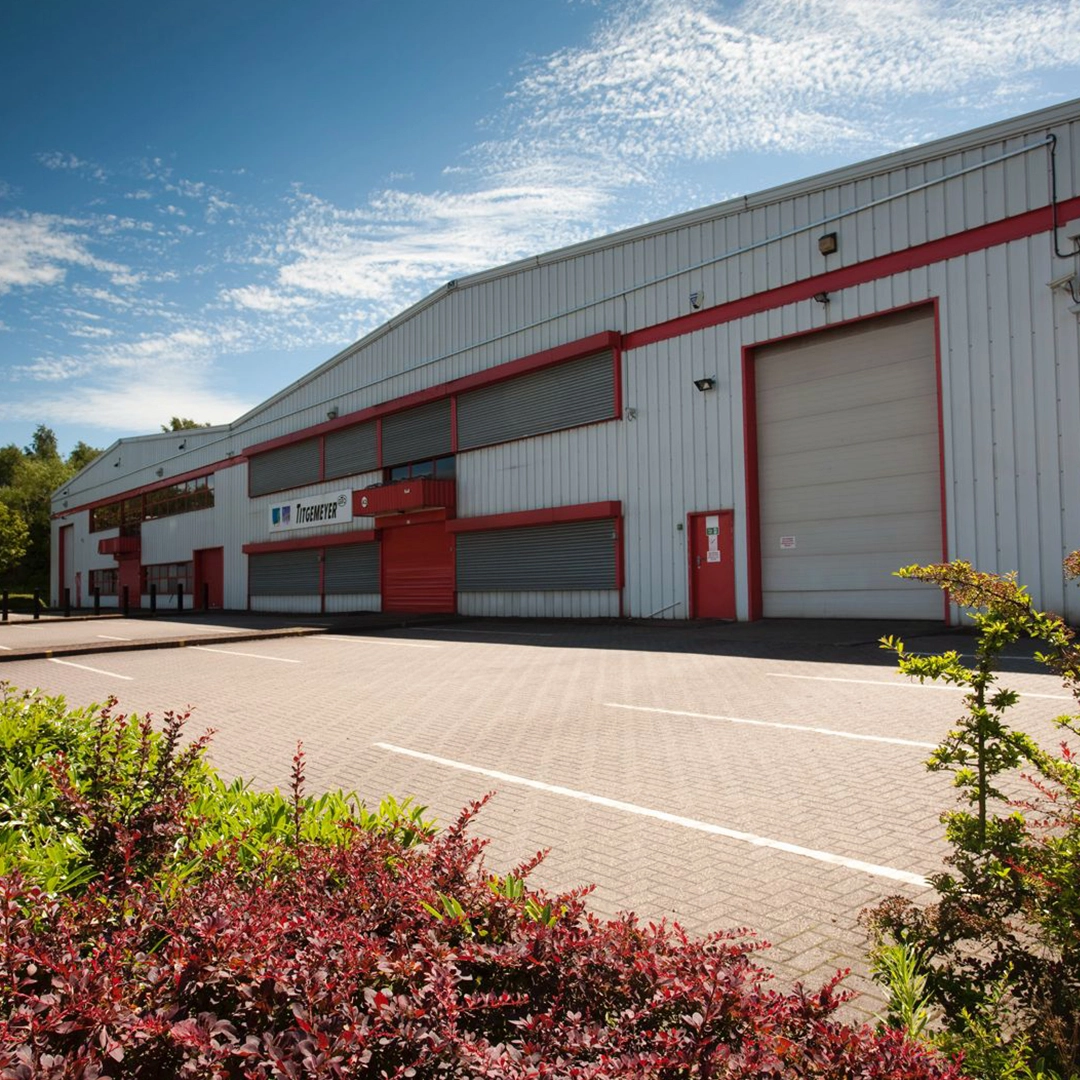
Looking after the building fabric
Commercial buildings are designed to withstand changing weather conditions, but prolonged exposure to high temperatures can still place additional strain on their structure.
Flat roofs are particularly vulnerable during heatwaves. Expansion and contraction caused by fluctuating temperatures can contribute to cracks, weakened joints and damage to roofing materials over time. Regular inspections can help identify early signs of deterioration before they develop into more significant issues.
Windows, doors and external seals should also be checked. Extreme heat can cause some materials to expand, affecting their performance and potentially allowing water ingress once the weather changes. Routine inspections remain one of the most effective ways to identify small maintenance issues before they become costly repairs.
Keeping buildings comfortable
As temperatures rise, maintaining a comfortable indoor environment becomes increasingly important for occupiers. Offices, retail units and industrial premises can all become uncomfortably warm, particularly where buildings have large windows or limited natural ventilation.
Air conditioning systems and mechanical ventilation should be serviced regularly to ensure they continue operating efficiently during periods of increased demand. A system that performs well throughout the year may struggle during a heatwave if maintenance has been overlooked.
Simple measures such as ensuring blinds are in good condition, encouraging ventilation during cooler parts of the day and reducing unnecessary heat sources can also improve comfort levels for building users.
A comfortable workplace not only benefits staff wellbeing but can also support productivity and improve the experience for customers and visitors.
Protecting external areas
Heatwaves don’t just affect the buildings themselves. External areas across commercial estates often require additional attention during prolonged periods of warm weather.
Landscaped areas may need more frequent watering to prevent plants and trees from becoming stressed. Shrubs and vegetation should also be monitored to ensure they do not obstruct footpaths, access routes or visibility around the estate.
Hard surfaces can also be affected by extreme temperatures. Tarmac may soften, paving can become uneven and expansion joints should be monitored for signs of movement. Although these issues may appear minor initially, addressing them early helps maintain safe access for both pedestrians and vehicles.
Regular inspections allow property managers to identify developing problems.
Fire safety during dry conditions
Extended periods of hot, dry weather can increase the risk of fire, particularly where commercial estates include landscaped areas, waste storage or external plant equipment. Waste should be managed carefully to avoid unnecessary build-up, especially around buildings and service yards. Dry vegetation should be maintained, and combustible materials should never be allowed to accumulate near entrances, loading bays or plant rooms.
Fire safety procedures should continue to be reviewed regularly throughout the summer, ensuring access routes remain clear and emergency equipment is easily accessible if required. While the overall fire risk will vary depending on the type of property, good housekeeping remains one of the simplest and most effective preventative measures.
Supporting tenants through the summer
Property management is about more than maintaining buildings. Supporting occupiers during periods of extreme weather is equally important.
Clear communication allows tenants to raise concerns quickly, whether they relate to internal temperatures, maintenance issues or building services. Responding promptly can often prevent relatively small issues from becoming larger operational problems.
Where buildings accommodate multiple occupiers, regular liaison helps ensure everyone understands any temporary arrangements or planned maintenance taking place during the summer months.
Building strong relationships between landlords, managing agents and tenants contributes to smoother management throughout the year.
Planning ahead for changing weather
As the UK’s climate continues to change, heatwaves are becoming an increasingly important consideration within commercial property management.
Rather than treating periods of extreme heat as isolated events, landlords can benefit from incorporating summer maintenance into their wider property management strategy. Regular inspections, planned maintenance programmes and ongoing communication all help improve the resilience of commercial buildings.
A proactive approach not only helps protect the physical asset but also supports tenant satisfaction, reduces unexpected repair costs and maintains the long-term value of the property.
At G Squared Commercial Property Management, we work proactively with landlords and occupiers to help commercial properties remain safe, well maintained and performing at their best throughout the year. By identifying potential issues early and taking practical steps to address them, we help ensure buildings continue to support the businesses that rely on them, whatever the weather.

Contact:
Telephone: 01905 613 555
Email: [email protected]
Address:
Malvern Hills Science Park, Geraldine Road, Malvern, Worcestershire, WR14 3SZ
