
Why Effective Service Charge Management Matters, especially in 2026.
While service charges are an established part of commercial property management, they are also one of the area’s most likely to generate questions if expectations are not clearly communicated or costs are not managed effectively. A well-administered service charge helps ensure that buildings remain safe, well maintained and attractive for occupiers, while also giving landlords confidence that expenditure is being managed fairly and efficiently.
Recognising the importance of consistency and transparency across the industry, the Royal Institution of Chartered Surveyors (RICS) introduced an updated Professional Standard for Service Charges in Commercial Property, which came into effect on 31 December 2025.
The revised standard reinforces best practice across the sector, providing greater clarity around financial management, communication and accountability. We work hard to help our clients understand their service charges and what to expect.
This blog digs down into the concept.
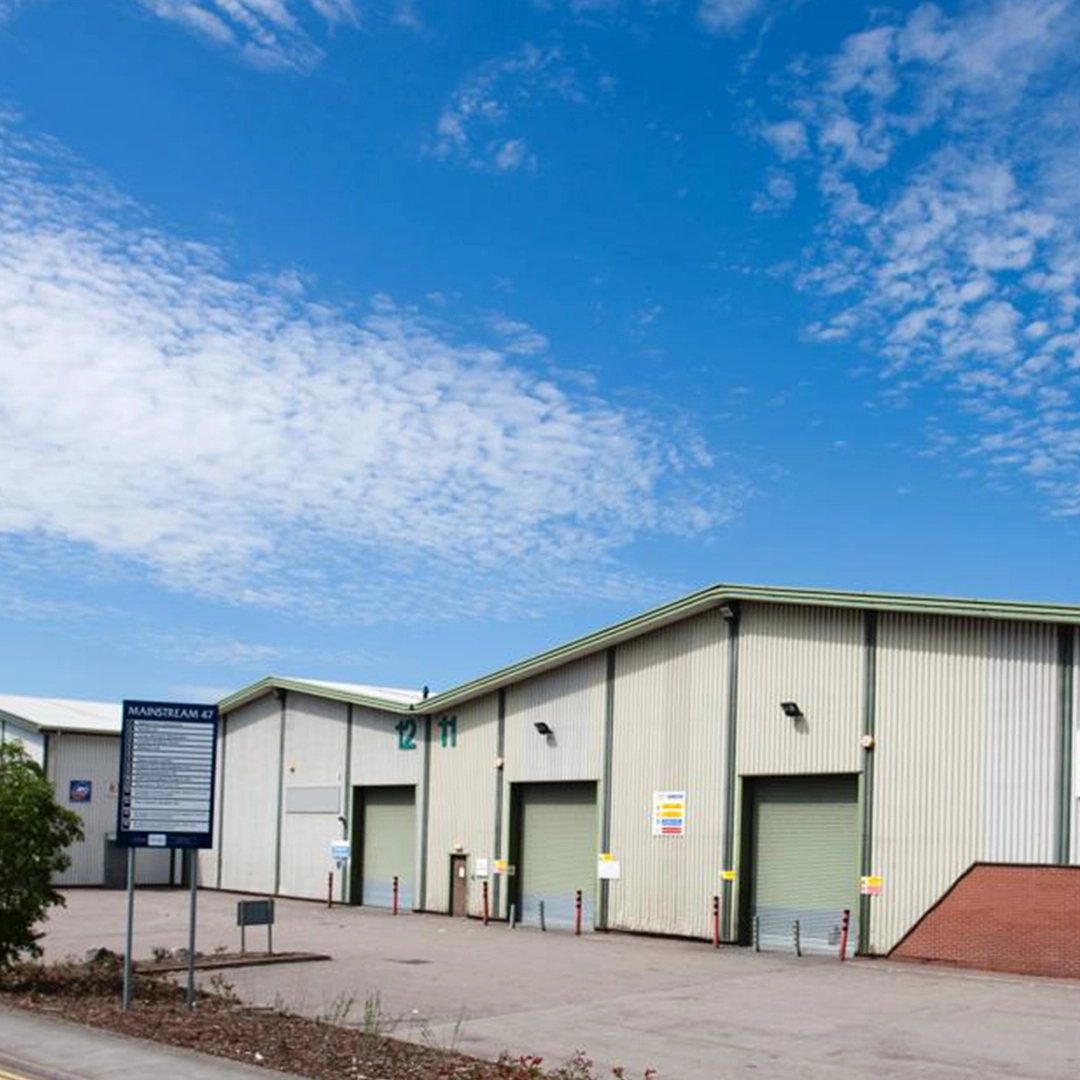
Understanding the Purpose of a Service Charge
A service charge enables landlords to recover the reasonable costs associated with maintaining and operating the shared areas and services within a commercial property. These costs can include everything from cleaning and landscaping to security, repairs, maintenance, utilities and statutory compliance.
The purpose of a service charge is to ensure that a property continues to operate effectively while protecting its long term value. Well maintained communal areas enhance the experience for occupiers and visitors but also contribute to preserving the overall performance of the asset.
We believe successful service charge management goes beyond collecting contributions. It requires careful budgeting, detailed financial control and clear communication throughout the year.
The Importance of Transparency
One of the key principles of effective service charge management is transparency. Occupiers understandably want to know how their contributions are being spent and have confidence that costs have been incurred appropriately and represent good value. It should also take anxieties and worries about maintaining a property off them.
Accurate budgeting, comprehensive record keeping and timely reporting all play an important role in building that confidence. Providing clear explanations for expenditure and maintaining open communication with occupiers can help reduce misunderstandings and create better relationships.
The updated RICS Professional Standard places particular emphasis on these principles, encouraging greater consistency across the industry.
Planning Beyond the Financial Year
As the service charge year draws to a close, it is also an opportunity to look ahead. We see year ends as a good opportunity.
Reviewing expenditure against budgets can provide insights into the ongoing needs of a property. Planned maintenance programmes, lifecycle replacement projects and future capital expenditure can all be considered as part of a longer-term asset management strategy.
Taking a proactive approach enables landlords to anticipate future requirements rather than simply reacting to unexpected issues as they arise. This supports better financial planning but can also help minimise disruption for occupiers. This level of planning for the future is particularly valuable for larger estates or multi-let commercial developments, where maintaining high standards across shared facilities is essential to protecting both tenant satisfaction and asset value.
Strengthening Relationships Through Good Management
Service charge management is often viewed purely as a financial exercise, but we understand that it also plays an important role in landlord and tenant relationships.
Open communication, prompt responses to queries and a transparent approach to budgeting all help establish trust between property owners and occupiers. When tenants understand how service charge funds are being used to maintain and improve the estate, they are more likely to appreciate the value of the services being provided.
Professional management also allows issues to be identified and resolved early, reducing the likelihood of disputes.
Supporting Best Practice Across the Industry
The revised RICS Professional Standard reflects the industry’s continued commitment to raising standards within commercial property management.
While every property is different, the underlying principles remain consistent. Service charge administration should be transparent, costs should be justifiable, financial information should be accurate, and communication should be clear throughout the management process. As expectations around transparency and accountability continue to evolve, effective service charge management will remain a fundamental part of successful commercial property ownership.
At G Squared Commercial Property Management, proactive service charge administration forms an integral part of our property management approach. By combining careful financial management with clear communication and long-term planning, we help our clients protect their assets while supporting positive relationships with occupiers.

Contact:
Telephone: 01905 613 555
Email: [email protected]
Address:
Malvern Hills Science Park, Geraldine Road, Malvern, Worcestershire, WR14 3SZ
